
How to Read Hotel Photos: Red Flags Hidden in Plain Sight
Hotel photos are marketing tools first, truth second. In 2026, when every listing promises paradise, learning to decode what the images actually show can save you from disappointment. Professional photographers use tricks that make modest rooms look palatial and hide flaws that only become obvious on arrival. The good news is that these red flags follow predictable patterns once you know where to look.
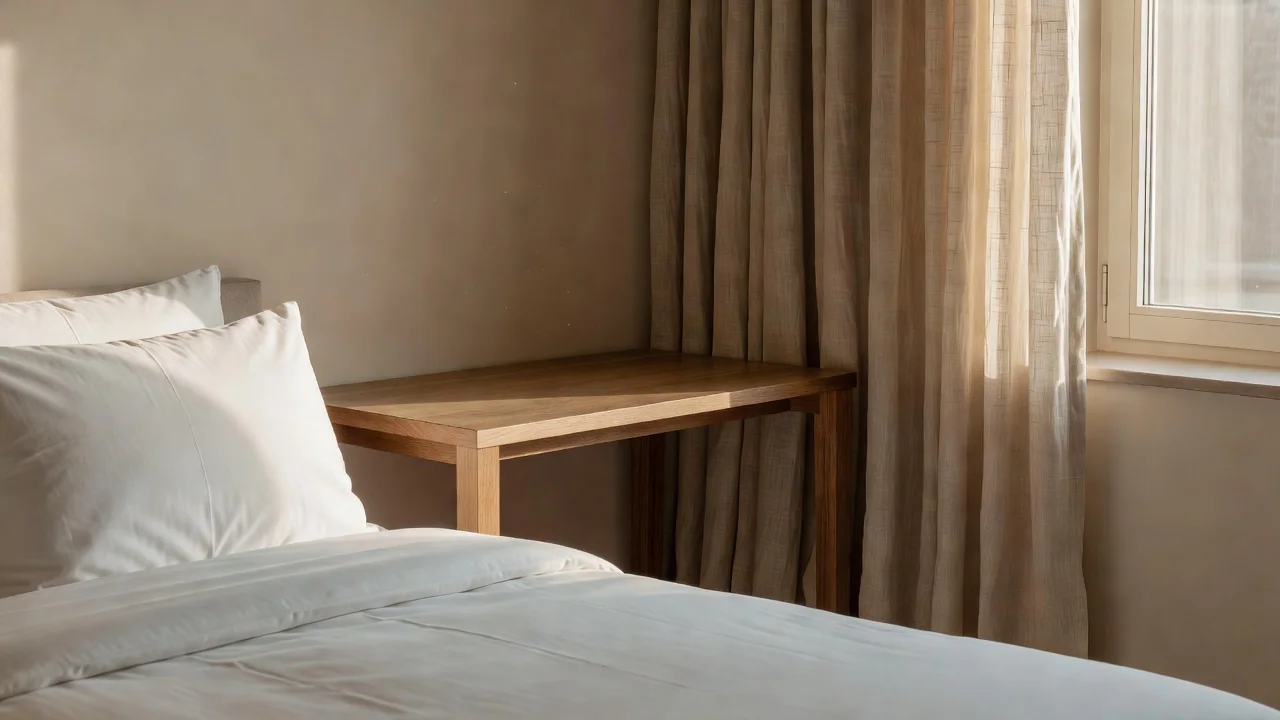
Wide-angle lenses remain the most common deception. A 16mm lens can make a 180-square-foot room appear nearly twice as large. Look for curved walls near the edges of the frame or furniture that seems to stretch unnaturally. If every photo feels dramatically spacious yet the listed square footage falls in the typical 150-280 range for standard rooms, assume distortion is at work. True size reveals itself in straight lines and realistic proportions.
Reading Between the Crops
Cropped images deserve special suspicion. When the bathroom appears only as a sliver of marble or is entirely absent, it often means outdated fixtures or limited counter space. Similarly, photos that never show the view from the window frequently hide a noisy street, air-conditioning unit, or blank wall just feet away. The complete absence of either bathroom or window shots in a dozen images is itself a signal worth noting. Genuine listings almost always include at least one clear, uncropped view of these essential areas.
Details That Tell the Real Story
Train your eye on the small, honest elements that resist retouching. Radiators with multiple layers of paint suggest older buildings with uneven heating. Curtains that stop short of the floor or hang limply indicate lower-quality finishes. Desk size tells volumes about whether the room actually supports remote work: a surface smaller than 20 inches deep usually means you'll be balancing your laptop on your knees. Pay attention to electrical outlets too—European-style plugs in non-European hotels or a shortage of USB ports can indicate the property hasn't been meaningfully updated since the early 2010s.
Golden-hour photography creates another classic trap. Warm sunset light makes even tired façades glow invitingly, but it conceals whether the building sits beside a busy road or construction site. Cross-reference with recent guest-uploaded photos taken in flat daylight. These unfiltered images often reveal the true condition of carpets, the actual color temperature of lighting, and whether the "cozy" room feels more cramped than intimate.
| Visual Clue | What It Usually Hides | Verification Tip |
|---|---|---|
| Extreme wide-angle shots | Small actual room size | Count visible floor tiles or compare furniture scale to average human height |
| No bathroom photos | Outdated plumbing or tiny shower | Search guest images specifically for toilet and shower views |
| Only golden-hour exteriors | Street noise or poor location | Check street-view style photos taken at noon |
| Perfectly made beds only | Worn mattresses or thin pillows | Look for side-angle shots showing bed height and firmness clues |
Cross-Checking With Real Guests
The most reliable method involves comparing professional shots against recent guest photos. Look for patterns across multiple stays rather than single reviews. If several travelers post images showing the same peeling wallpaper corner or awkwardly placed radiator that the official photos magically avoid, trust the collective evidence. Modern phones capture metadata including dates, so prioritize images from the past six months when possible.
Effective photo reading combines skepticism with pattern recognition. Notice whether the same vase appears in every room shot—suggesting staging rather than reality. Check if lighting in bathroom corners looks unnaturally bright, indicating heavy editing. These details accumulate into a clearer picture of what awaits. Developing this visual literacy takes practice but quickly becomes second nature, turning every listing into a puzzle you can solve before booking.
- Always zoom into corners and baseboards where wear shows first
- Compare the same object across different angles for consistency
- Note the direction of natural light to understand true window placement
- Count visible power outlets and USB ports in photos
- Look for reflections in mirrors that might reveal off-camera clutter
Mastering these techniques helps transform booking from gamble to calculated choice. The photos will still seduce, but you'll see past the surface to the experience likely waiting behind the lens.