
Early Check-In and Late Checkout: What Actually Works in 2026
In 2026, the classic 15:00 check-in and 11:00 check-out times remain the industry benchmark, not because hotels enjoy saying no, but because housekeeping needs a realistic window to turn over rooms thoroughly. A single team member typically spends 35 to 50 minutes cleaning a standard room, longer for suites or after heavy stays. When occupancy runs above 85 percent, that rhythm becomes non-negotiable. Understanding this helps guests set realistic expectations instead of treating the policy as a personal slight.
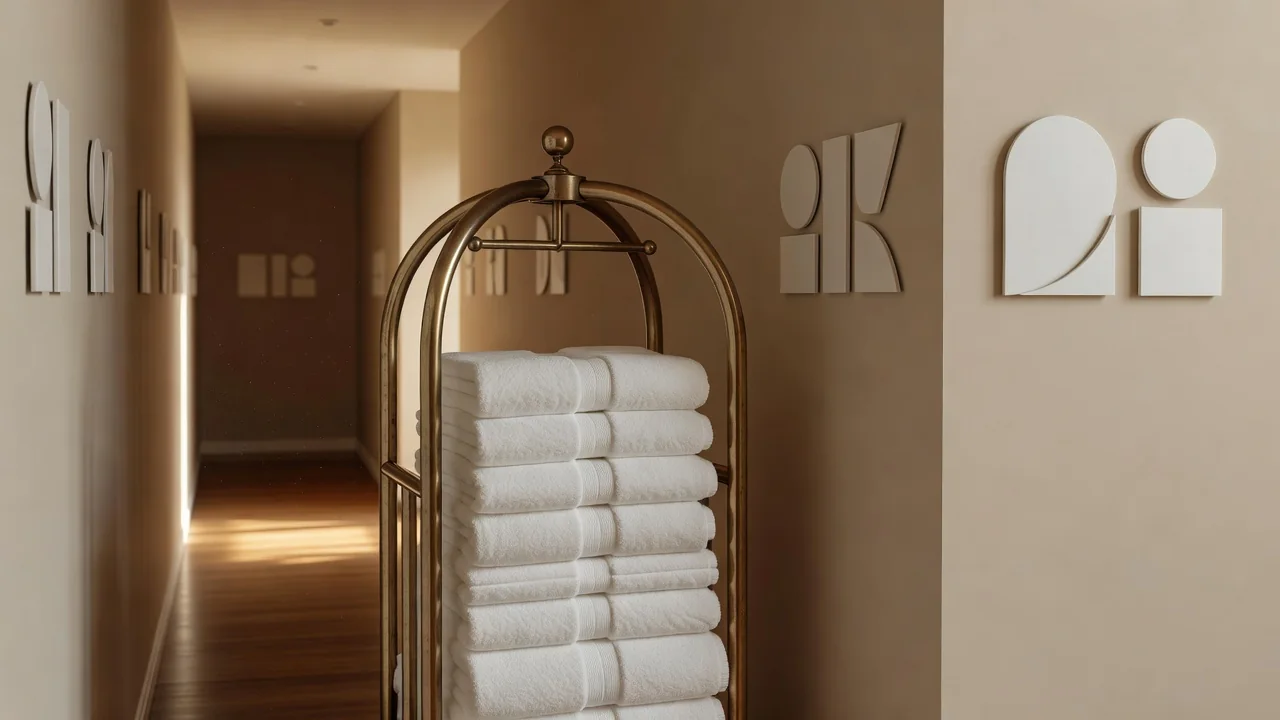
Requesting flexibility works best when you do it twice: first at booking, then again upon arrival. A polite note in the special requests field, followed by a calm conversation at the front desk, increases success rates noticeably. Direct bookings often receive priority over third-party reservations because the property captures the full margin. Loyalty members at mid-tier status and above usually see better outcomes, especially during shoulder seasons when pressure on inventory eases.
When to Push and When to Pivot
Early check-in requests stand the highest chance between 12:00 and 14:00 if the previous guest has already departed. Late check-out fares better before 13:00 on quieter days. Staff will rarely confirm anything until housekeeping provides an update, so patience matters. When both options are unavailable, free luggage storage remains the most reliable fallback. Most properties offer secure, labeled storage near the lobby and will even provide day passes to nearby fitness facilities or partner lounges while you wait.
Red-Eye Arrivals and Strategic Booking
Travelers landing after an overnight flight face a particular dilemma. Booking the previous night and using the room primarily for morning sleep often proves more comfortable and cost-effective than fighting for an early check-in on arrival day. The guaranteed room removes stress, allows a proper shower, and frequently costs less than combining a day-use rate with luggage fees. For departures, day-use rooms priced between 40 and 70 percent of a full night rate can extend your stay until an evening flight without rushing.
- Confirm your request 48 hours before arrival via the booking channel
- Arrive with a printed or digital confirmation if the hotel acknowledged the request
- Offer flexibility on exact timing to improve approval odds
- Tip housekeeping appropriately when special arrangements are granted
- Consider travel insurance that covers missed connections affecting room access
| Scenario | Best Strategy | Typical Cost Impact |
|---|---|---|
| Early arrival on red-eye | Book previous night | Full rate but full rest |
| Late departure, low occupancy | Request 14:00–16:00 checkout | Often complimentary for loyalty members |
| Both early and late needed | Day-use room for afternoon | 40–70% of nightly rate |
| No flexibility available | Luggage storage + city exploration | Usually free |
Hotels in 2026 still balance genuine hospitality against operational realities. The guests who succeed most treat staff as partners rather than gatekeepers. A friendly tone, realistic timing, and willingness to accept a partial solution usually yields better results than demands. When flexibility simply isn’t possible, the day-use option or the previous-night booking becomes an elegant workaround that respects both the traveler’s needs and the team working behind the scenes.
Ultimately, the 15:00/11:00 window exists to protect the quality of every stay that follows yours. By planning around it instead of against it, you turn potential frustration into smoother arrivals and departures that feel intentional rather than compromised.