
Family Hotel Room Setups: Connecting Rooms, Sofa Beds and Cots
Traveling with children in 2026 means mastering the art of hotel room configurations long before you pack. Families often assume every property offers flexible sleeping arrangements, yet the reality depends on building design, local fire codes, and management policies. Understanding the differences between room types helps avoid disappointment and unexpected costs at check-in.
Connecting rooms provide the greatest sense of privacy and independence while keeping everyone close. These feature a locked door between two separate rooms that can be opened from both sides once requested. Adjoining rooms, by contrast, simply sit next to each other with no internal doorway. The distinction matters most when children are young or when one parent needs to slip between spaces without stepping into the corridor at night.
Bedding Options and Their Practical Limits
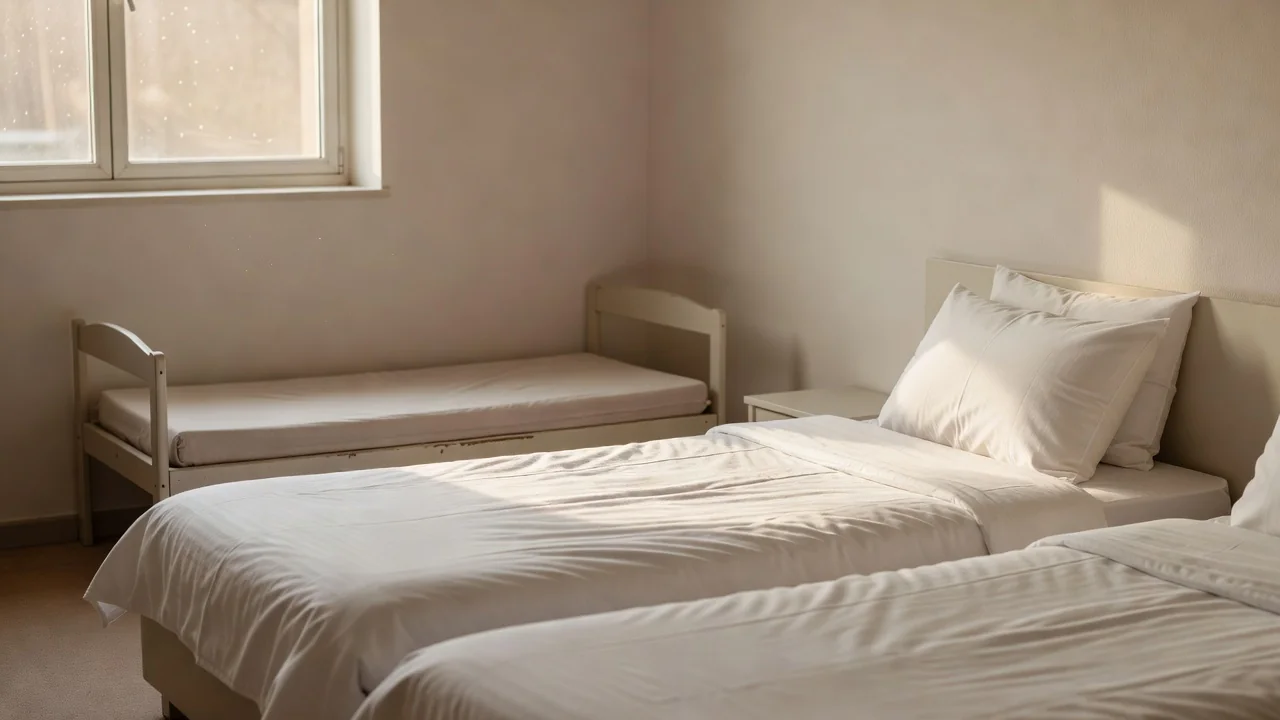
Sofa beds remain the most common upgrade in standard rooms, yet their comfort varies widely. Most pull-out sofas accommodate two small children or one adult reasonably well, but the thin mattresses can prove tiring for taller teenagers after several nights. Rollaway beds and cots are typically available on request, though many hotels limit them to one per room due to space and safety regulations. Always confirm the exact dimensions in writing; a standard cot is rarely longer than 160 cm, which can feel short for growing kids.
Occupancy rules differ markedly by country. In much of Europe, a room advertised for two adults often permits two children under twelve on existing bedding at no extra charge. North American properties tend to count every person over two years old toward maximum occupancy, sometimes triggering an automatic upgrade or additional room charge. Asian hotels frequently follow a stricter “two adults plus one child” model unless a suite is booked.
Suites, Price Comparisons, and What to Request in Advance
Booking a junior suite or family suite can seem expensive until you compare it with the cost of two standard rooms. A single suite frequently works out cheaper while offering a dedicated sleeping zone that allows parents to stay up after children are asleep. Two connecting standard rooms, however, deliver more total square meters and two full bathrooms—an advantage worth the premium on longer stays or when teenagers need their own space.
Before confirming any reservation, send a written request that lists every detail: exact bed configuration (queen, two doubles, or king plus sofa), guaranteed cot or rollaway, and confirmation that rooms are connecting rather than merely on the same floor. Ask specifically whether the cot incurs a nightly fee or if it is complimentary for children under a certain age. These emails create a paper trail that front-desk staff can reference on arrival, reducing the chance of “we’re fully booked” surprises.
| Room Type | Typical Capacity | Best For | Key Confirmation Needed |
|---|---|---|---|
| Standard Double | 2 adults + 1 child | Short city breaks | Cot availability, sofa bed dimensions |
| Connecting Rooms | 2 adults + 2–3 children | Multi-age families | Internal door can be unlocked |
| Junior Suite | 2 adults + 2 children | Longer stays | Separate sleeping area, breakfast inclusion |
Breakfast Policies and Final Checklist
Children’s breakfast policies can add surprising value or hidden cost. Some hotels include all children under six at no charge when accompanied by two paying adults; others apply a reduced rate up to age twelve. A few properties charge full adult rates once a child turns three. Clarify whether the rate covers the buffet or only continental items, and whether it applies every day of the stay or only on certain packages.
Print or save the confirmation email containing bed types, cot reservation, room adjacency, and breakfast terms. Upon arrival, politely ask the front desk to verify these details before keys are issued. A five-minute conversation can transform a potentially stressful check-in into the relaxed start of a family holiday. With clear communication and realistic expectations about space and bedding, most hotels can deliver a comfortable setup that works for every member of the family.
- Request written confirmation of connecting doors, not just same-floor rooms
- Specify preferred bed types and maximum mattress length for cots
- Clarify exact nightly cost, if any, for additional bedding
- Ask about country-specific occupancy limits before booking
- Confirm children’s breakfast age brackets and inclusions in advance