
Family Trips vs Business Travel: Choosing a Hotel That Fits the Trip
Choosing the right hotel can make or break any trip, yet families and business travelers often hunt for very different things. A spacious suite with a kitchenette might delight a family of four but feel wasted on a solo executive racing between meetings. Understanding these priorities helps both groups avoid frustration and unnecessary expense.
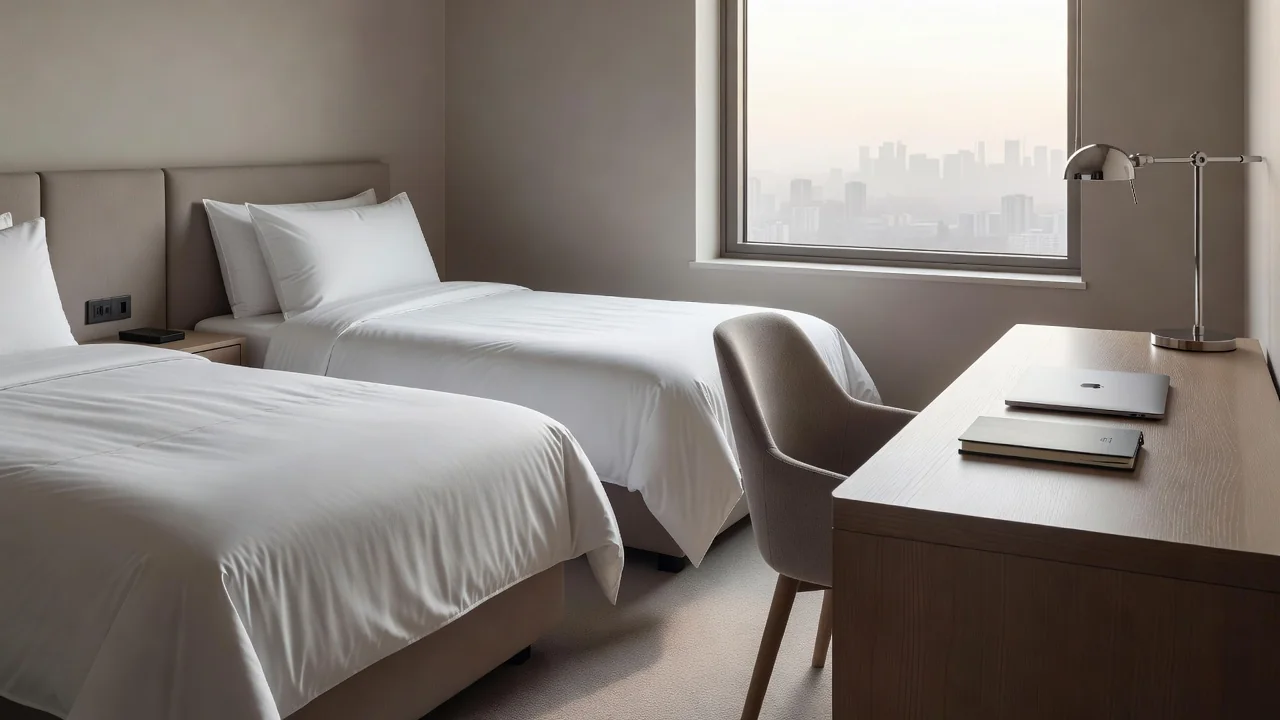
Family travelers typically seek space to spread out, easy meals, and activities that keep children happy. Business guests, meanwhile, value efficiency, connectivity, and services that save time. The trick is knowing which features truly matter for your journey and which are simply nice-to-have extras that inflate the bill.
What Families Should Look For
Room size and layout top the list. Connecting rooms or suites with separate sleeping areas prevent bedtime battles and give parents a sliver of privacy. Kitchenettes let you prepare simple meals and store snacks, cutting down on restaurant costs that add up quickly with hungry kids. On-site laundry facilities prove invaluable after muddy playground visits or spilled juice incidents. A pool is often non-negotiable for younger children, while quiet floors away from elevators and ice machines help everyone actually sleep.
Breakfast inclusion matters more than most families admit. A generous buffet saves both money and morning negotiations about where to eat. When scanning room descriptions, families should hunt for words like “separate living area,” “full kitchen,” “washer-dryer,” or “family floor.” Ignore flashy marketing about “luxury linens” if the square footage is under 400 square feet for four people.
Priorities for Business Travelers
Corporate guests need to be close to meeting venues, train stations, or client offices. A ten-minute walk beats a thirty-minute taxi ride when you’re running late. Reliable high-speed Wi-Fi, a proper desk with ergonomic chair, and multiple power outlets are essential. Gym hours that align with early mornings or late evenings can make the difference between a productive trip and an exhausted one.
Express check-out, easy digital invoicing, and quiet workspaces near the lobby save precious minutes. Business travelers should scan descriptions for “executive level,” “business center,” “ergonomic workstation,” and “24-hour fitness center.” Phrases like “city view” or “spa access” rarely justify higher rates unless they directly support work needs.
Where Each Group Typically Overpays
Families often overspend on fancy downtown hotels with rooftop bars they never use, while business travelers sometimes book full-service resorts with kids’ clubs and character breakfasts they ignore. Both groups fall for “free cancellation” rates that cost 20-30% more than non-refundable options when flexibility isn’t actually required.
| Feature | Family Value | Business Value | Typical Overpayment |
|---|---|---|---|
| Central location | Medium | High | Families pay premium for walkability they rarely use |
| Pool or kids’ club | High | Low | Business travelers book family resorts unnecessarily |
| Kitchenette | High | Low | Both groups choose suites when standard rooms suffice |
| Executive lounge | Low | High | Families rarely maximize the breakfast and snacks |
Reading between the lines of hotel descriptions takes practice. Look past aspirational language and focus on measurable details: square footage, number of beds, specific amenities, and exact location pins. Families should calculate total cost including meals and activities, while business travelers should factor in time saved or wasted by the hotel’s position and services.
Smart choices come down to honest assessment of daily routines during the trip. A family might happily walk farther for a pool and laundry, while an executive might pay more for a hotel with seamless check-in and strong Wi-Fi. The best hotel isn’t the most expensive or the trendiest. It’s the one that quietly supports the specific rhythm of your journey, whether that means building pillow forts with children or closing deals between conference calls.
- Measure your actual space needs before booking suites
- Compare total trip costs, not just room rates
- Test Wi-Fi speed on the hotel’s public network beforehand
- Ask about quiet floor availability when reserving
- Check cancellation policies against your real flexibility
With clear priorities and careful reading, both families and business travelers can find hotels that enhance rather than complicate their trips. The perfect stay feels almost invisible, supporting your goals without drawing attention to itself.