
Bleisure Travel: Turning a Work Trip into a Short Break
Bleisure travel – the art of stitching a few personal days onto a business trip – has become a quiet rebellion against the grind. In 2026, with hybrid work still shaping corporate calendars, many professionals are discovering that an extra weekend in a city they never planned to visit can recharge them more effectively than a separate vacation. The trick is doing it thoughtfully so the pleasure never undermines the professional purpose.
Most business trips already include at least one free evening. Extending by one or two nights turns that into a genuine short break. The key decision is whether to remain at the same property or relocate to a more leisure-oriented area once work concludes. Staying put simplifies logistics and often unlocks the best weekend rates after corporate contracts expire on Friday.
Navigating Rates, Cards, and Corporate Policy
Corporate rates typically apply Sunday through Thursday. Weekend pricing at the same hotel is often lower because demand shifts to leisure guests. Savvy bleisure travelers book the entire stay under their own name, then split the invoice: business nights reimbursed by the company, personal nights paid from their own card. This keeps accounting clean and avoids awkward explanations about mixed-use stays.
Always check your employer’s travel policy first. Many organizations allow reasonable extensions provided the company incurs no extra cost. Document the business portion clearly – flight, meetings, and core hotel nights – and treat additional leisure expenses as personal. Transparency prevents any perception of padding expenses.
Handling Per Diems and Expense Boundaries
Per diems present the thorniest ethical question. Once your official business ends, the daily allowance usually stops. The cleanest approach is to close the corporate expense period at the last required meeting and switch to personal spending. Keep receipts for both segments; modern expense apps make this separation straightforward.
Common ranges for personal extension costs in mid-tier cities run between $180–$350 per night for a comfortable room, plus meals. Factor in transport if you decide to change hotels. Many travelers find that moving to a quieter or more vibrant district after the conference ends gives a sharper sense of escape, even if it adds a taxi or ride-share fare.
| Scenario | Pros | Cons |
|---|---|---|
| Stay at same hotel | Simpler logistics, possible weekend discount, loyalty recognition | May feel too “work-like,” limited neighborhood exploration |
| Switch to leisure area | Fresh atmosphere, better weekend vibe, sense of true break | Extra transfer time and cost, two check-ins |
Making Forty-Eight Personal Hours Count
Two days is enough for meaningful reset if you plan lightly. Arrive with a short list of three non-negotiable pleasures: one meal worth remembering, one outdoor or cultural experience, and one completely aimless afternoon. Avoid over-scheduling; the joy of bleisure often comes from spontaneous decisions once the laptop is closed.
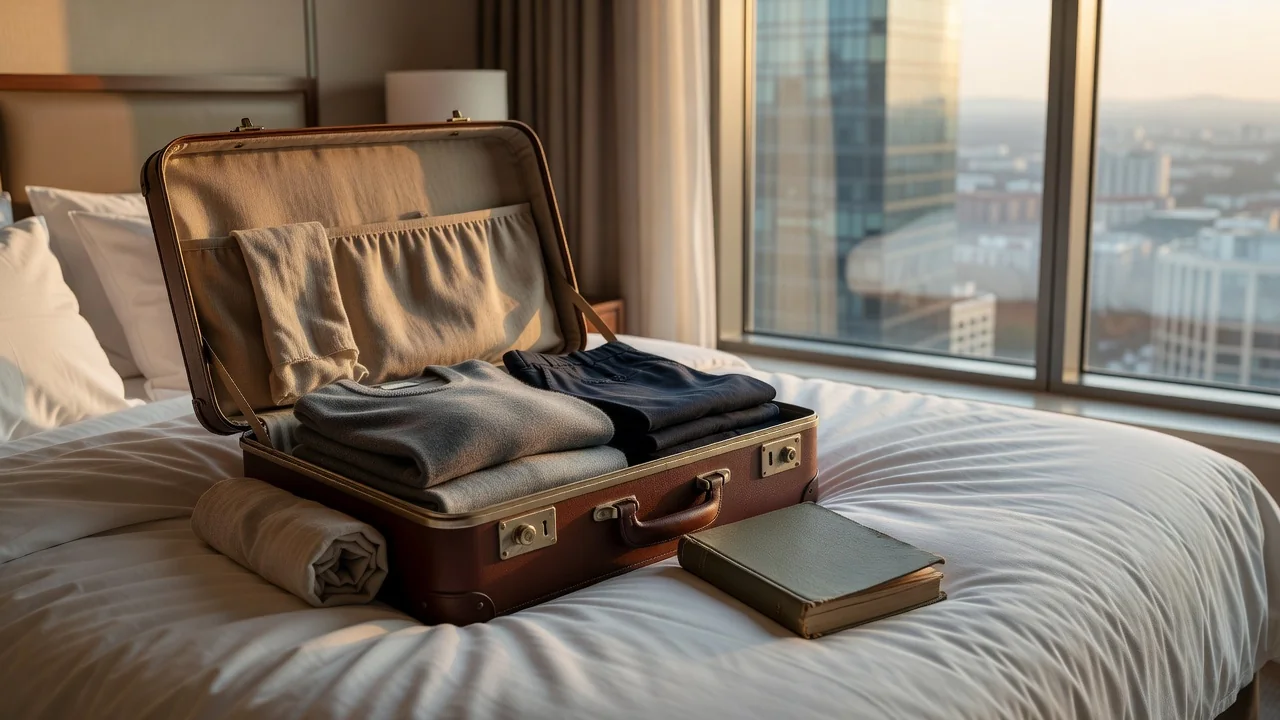
Pack a second, smaller bag with leisure clothes so you can mentally shift gears the moment the last meeting ends. Turn off work notifications or at least move them to a separate folder. Use the hotel gym, spa, or rooftop terrace as your transition zone – a brief ritual that signals the start of personal time.
- Book return flights for late afternoon or evening on the final leisure day to protect every available hour.
- Research local markets, parks, or independent bookstores in advance; these low-key destinations suit short stays perfectly.
- Consider a half-day guided experience on the first personal morning – it anchors the break and leaves the rest unstructured.
Done right, bleisure turns obligatory travel into quiet adventure. The city you didn’t choose becomes the one you’ll quietly hope your boss sends you back to next year. With clear boundaries, honest expense tracking, and realistic expectations, those extra forty-eight hours can restore more energy than an entire week at a familiar resort.